25 years MFS, part 1


25 Years of MFS – A Story of Courage, Craftsmanship and Commitment!
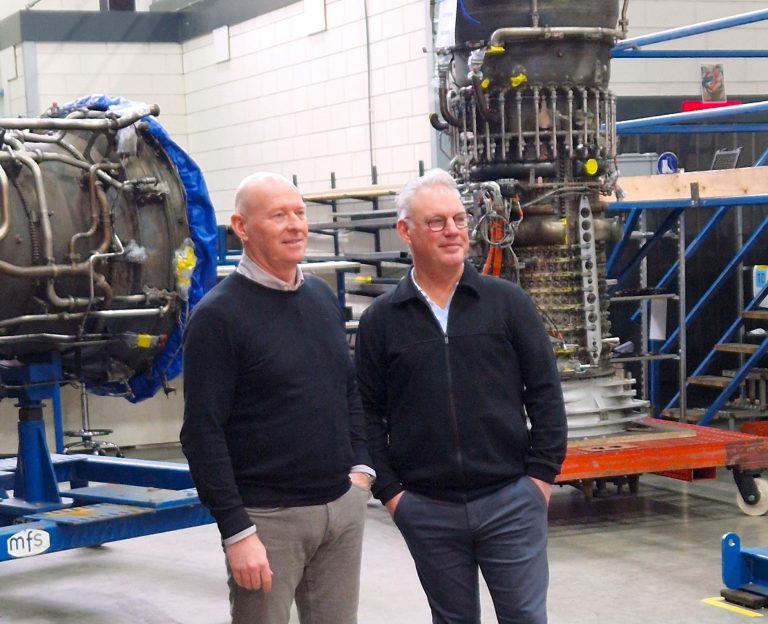
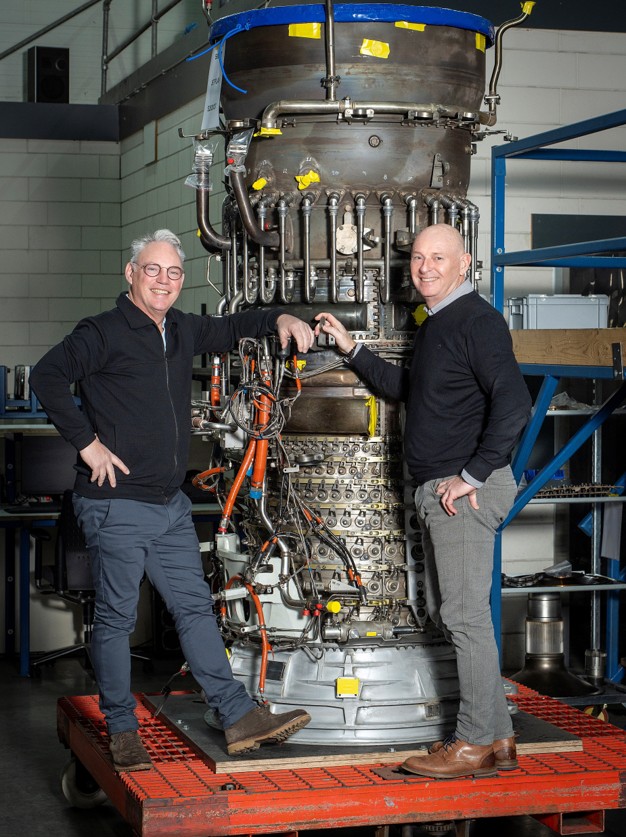
On January 2nd, 2001, five determined men decided to take a leap of faith and start their own company: MFS (Mechanical Field Support). Now, 25 years later, we proudly celebrate this milestone together with the still-active founders Alex Peelen and Marco Blom.
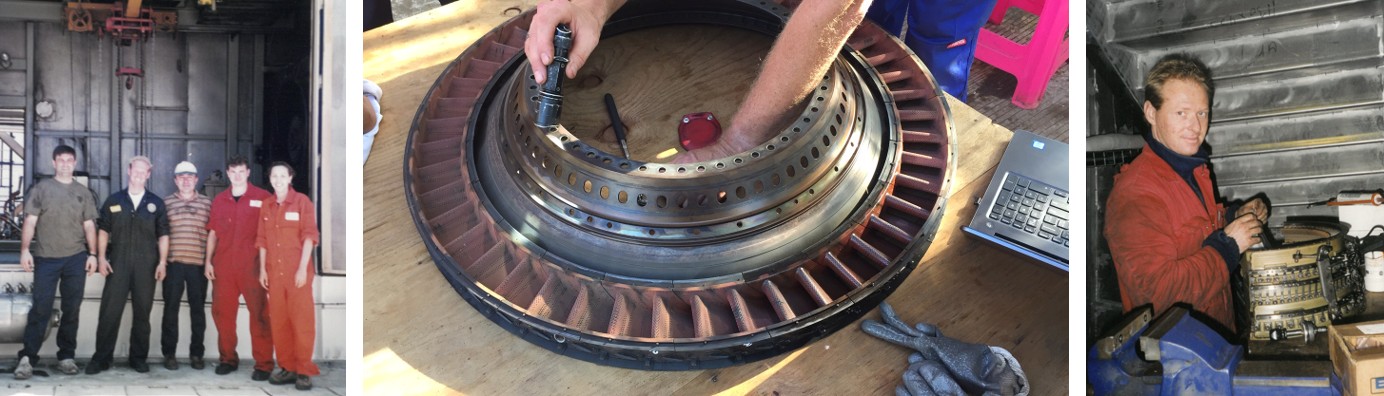

Jan Peelen
After his military service in the Air Force, Jan Peelen started working at Akzo, where he followed an internal practical training program through Bemetel—first as ‘gezelle’, later as ‘meester’. Bemetel was connected to several companies, including Thomassen. When times got tougher at Akzo, Jan moved to Thomassen, where he worked first on the frame gas turbine assembly line, followed by Frame and LM fields service maintenance as well as in the position of site manager (new installations)
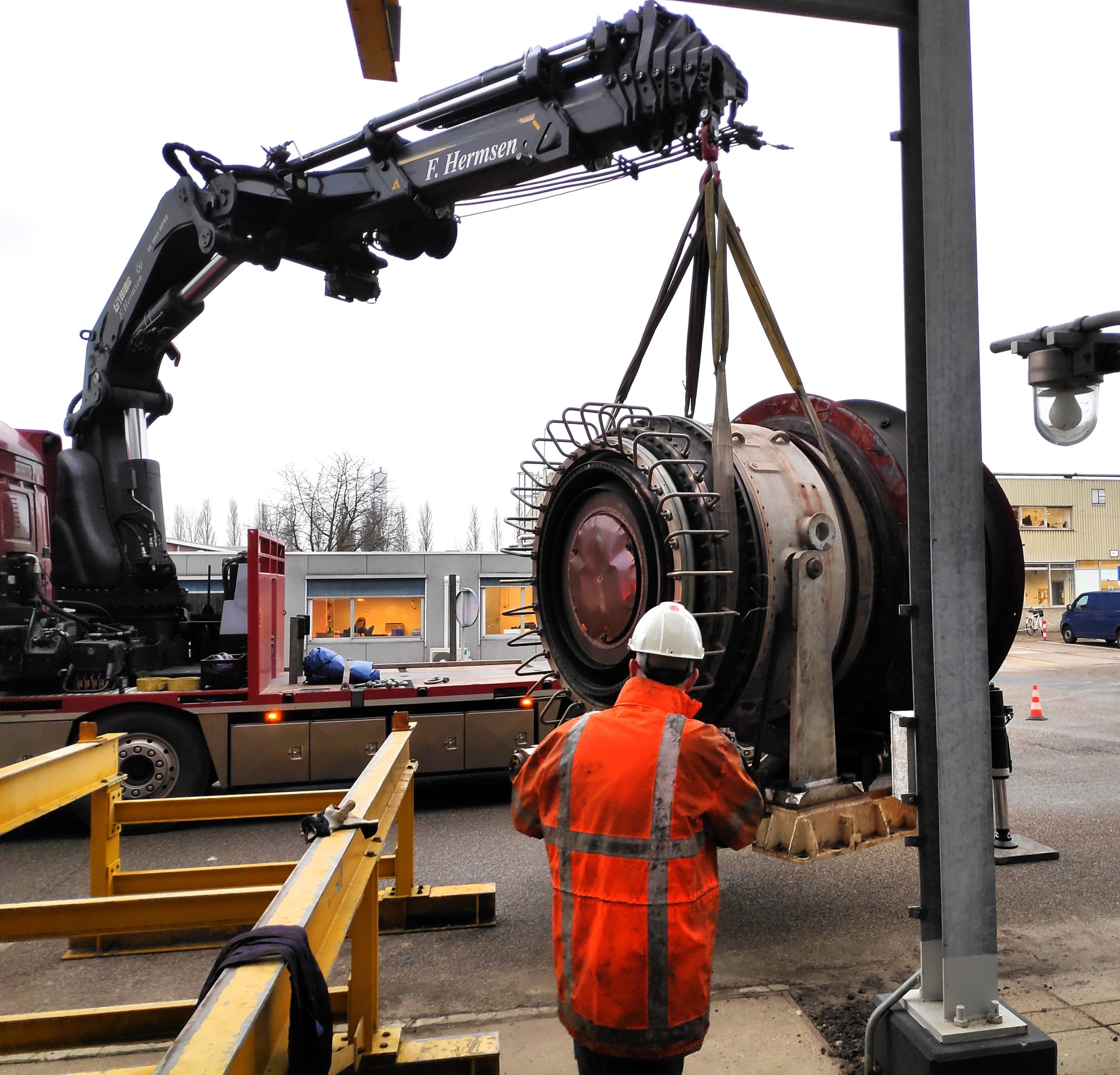
Rob van der Bij – Martijn Klaassen
Rob van der Bij came from KLM North Sea Helicopters.
Prior to KLM North sea Rob worked at the KLM engine shop and got among other engine types experienced with the CF6-50 equivalent to the LM5000.
He was loaned to Thomassen, later he joined the company permanently as a Field Service Engineer.
Martijn Klaasen joined Thomassen as an HTS intern. During his intern he worked in the MFS shop and wrote a report about how to calculate the cycles from the Marine applications. After he finished school he joined the Field service as an Engineer.
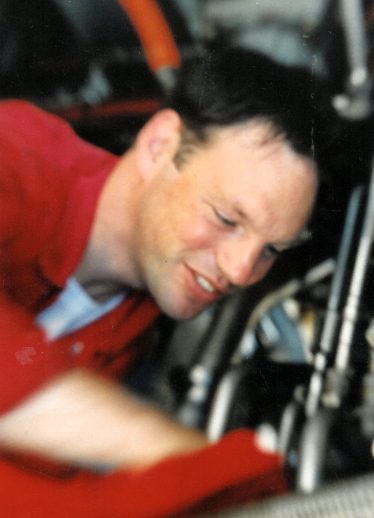
Marco Blom
In 1992 Marco Blom, after several years in the Navy, was ready for a new challenge. Through a friend, he discovered Thomassen.
Due to his aviation background in the naval aviation service, there was a direct link to the LM gas turbines.
Before he started working at LM gas turbines, he first worked in the heavy-duty assembly line where, in retrospect, he gained a lot of experience that benefited the development of MFS.

Alex Peelen
Alex Peelen, with an MTS degree in mechanical engineering, joined Thomassen in 1994 after his Military services at the Heavy Duty Gas Turbine workshop as an Mechanical Engineer – Inspector. In the evenings Alex followed the HTS Business school in Utrecht which would later help to set up the MFS Business. The Heavy Duty and LM workshops were next to each other, but Alex and Marco only really met during a VCA safety training—Marco in his red overalls from the LM side, Alex in his blue service repair shop overalls. With the LM shop next door to the service repair shop Alex’s interest in LM machines was aroused. After 1,5 years at the Heavy duty repair shop where he also stationed for several months in Nigeria he moved on to the LM engine department. He would stay for 2,5 years at the LM shop before he was looking for a new challenge and moved as an Service Engineer into the Field Service Department.

The Thomassen Years
It all started at Thomassen, a company of about 800 employees at the time (and at its peak around 1,200). Thomassen had a unique culture what felt like one big family and known for his innovation and diversity.
With its origins in 1883, it grew from a workshop and forge into an engine factory.
In 1969 after a rich history, Thomassen finally obtained a General Electric license to build heavy-duty gas turbines (HD).
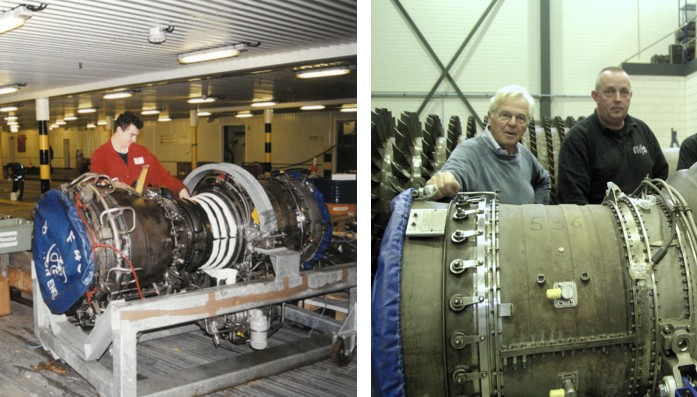
In 1983, Thomassen delivered the first GE LM gas turbine in the Netherlands. This also led to the establishment of an LM service shop, followed by a joint venture with Stewart & Stevenson for the packaging of LM gas turbines (TSSI).
In 1998, GE’s licenses for gas turbines were terminated, marking the end of TSSI.
In 1999, the last GE gas turbines manufactured by Thomassen were delivered
With the withdrawal of the licenses things got difficult, however the LM shop’s strong reputation led to a takeover by GE Aero Services.
That was a culture shock: the global corporate giant introduced new structures, Six Sigma, and strict processes.
Rob, Martijn, Jan, Alex and Marco worked at GE for about 1.5 years as Field Service Engineers, until a plan emerged to start a Field Service division at another company. They resigned—only to find out that the company couldn’t hire all five of them.
That unexpected turn forced them to think fast about alternatives. That evening, gathered around Alex’s kitchen table, they brainstormed—and decided to start their own company.
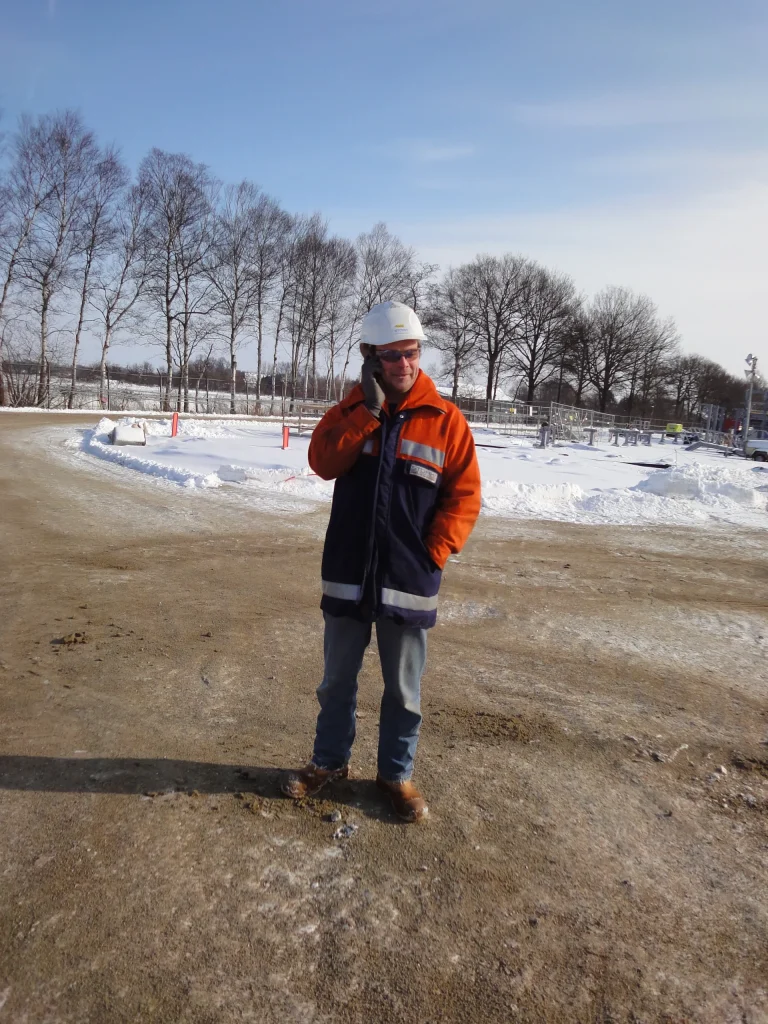
The Birth of MFS
Each founder invested an equal amount of money, taking 20% ownership each. They rented a small office unit at the Aamseplas industrial park in Elst in The Netherlands, complete with a shared receptionist. Jan became the Managing Director, while Alex—who had also studied business administration—took care of finance and administration.
All five had solid engineering experience, but zero experience as entrepreneurs. During an information meeting at the Chamber of Commerce they were told that only 10% of start-ups survive. Luckily, MFS became part of that 10%—though the first tax bills which came in after the first year the young entrepreneurs had some nail-biting moments.
The learning curve was steep. They had to master everything from setting up an administration, taxation, Tax, insurances and HR to training and project management—all while continuing their demanding fieldwork.
As the company grew, so did the paperwork. The need for a dedicated office role became clear, and Alex gradually took on that responsibility while still working in the field.

Early Successes
Within just six months, MFS had built up a solid order portfolio. Their strong reputation and the trust of former contacts gave them a significant advantage. All five founders went into the field to deliver quality service.
However, the uncertainty of freelance work proved difficult for Martijn, the youngest of the group. After about a year, he decided to move on, selling his shares amicably and building a successful career in rotating equipment.
Meanwhile, the LM and Heavy Duty gas turbine market was booming. Combined heat and power plants and the expanding energy sector created plenty of opportunities—and budgets were generous. MFS offered installation, maintenance, and repair services, without yet focusing on a specific niche.
In the beginning, their goal was to support service companies, not end-users directly, by the second year MFS had 15+ engineers working under contract or employment which was a new challenge being fulltime in the Field Service. Their professionalism, passion, and quality led to repeat business and long-term partnerships.
Thomassen became one of the first major clients—a vital stepping stone for the company’s stability—followed by GE, Engie clients and packagers.
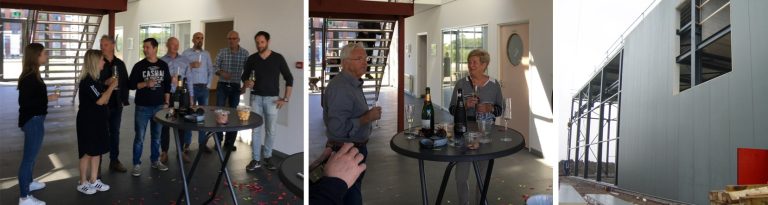
Building for the Future
In 2006, MFS built its own office and workshop in Heteren—a major milestone in its development. The motivation was clear: the team wanted a place to develop, innovate, and invest in the company’s future.
Until then, MFS had only delivered field services.
The new building was finished in 2009 after which the crisis started and new challenging decision had to be taken.
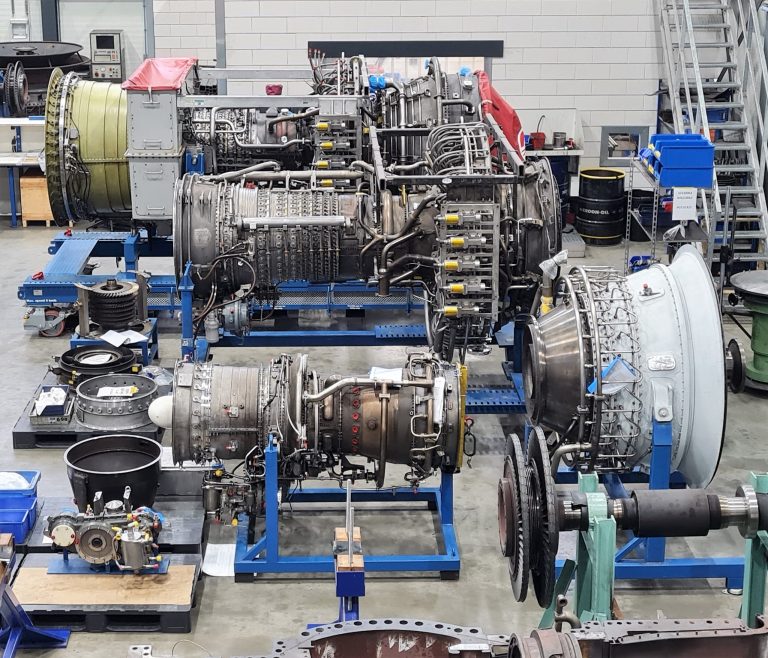
The new facility together with the crisis marked a shift toward workshop-based projects and gave the company tangible value and long-term sustainability. It turned out to be an excellent investment in both people and potential.
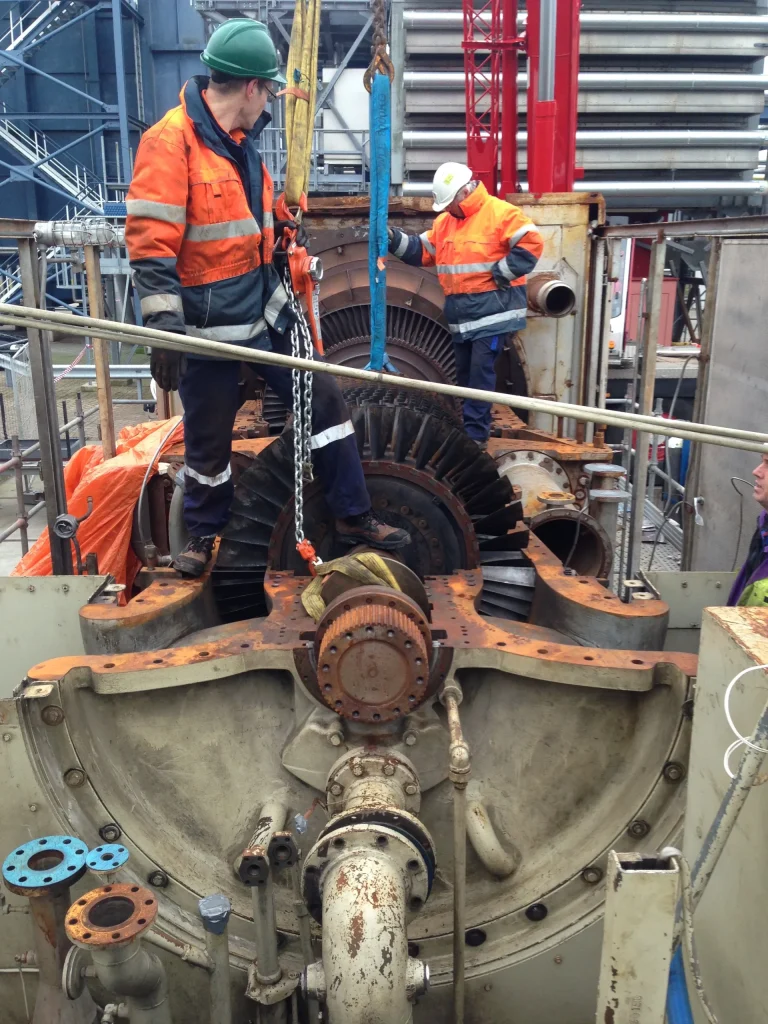
A Lasting Legacy
From a kitchen-table idea to a trusted international partner, MFS has come a long way in 25 years, due to the pioneering spirit of 5 men. Built on craftsmanship, reliability, and teamwork, the company continues to serve clients around the world with the same drive and integrity that started it all.
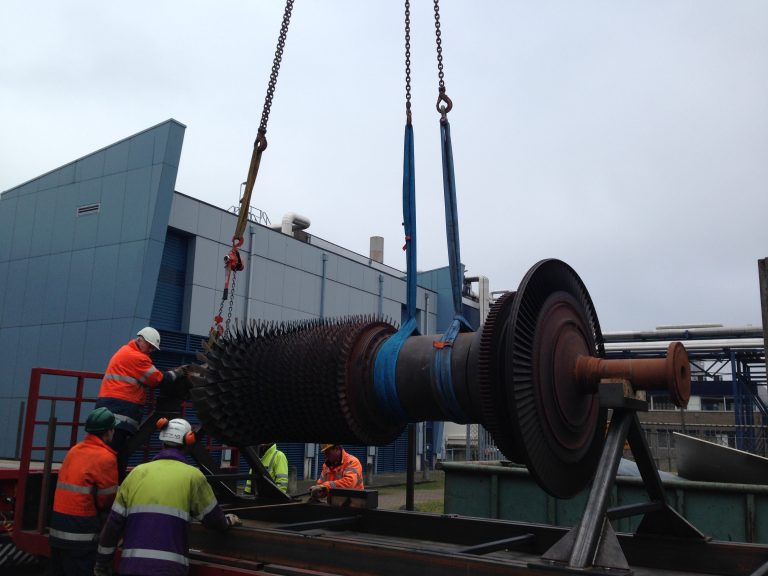
Next Chapter: Development and Growth
Discover the inspiring journey of MFS over the past 25 years in our upcoming chapter “Development and Growth.” Dive into the stories, milestones, and people that have shaped who we are today — and get a glimpse of what’s next. .
MFS – Driven by Expertise and passion. Built on Trust. Powered by People.